
Postpartum adjustment
Postpartum Adjustment
Becoming a new parent is stressful, and some difficulty adjusting to parenthood is completely normal.
For some new mothers, the first weeks and months after childbirth are a time of emotional adjustment. Intense feelings of joy, exhaustion, fatigue, anxiousness, and happiness are all common.
Most mothers experience these emotional ups and downs.
Up to 80% of new mothers develop what’s known as the “baby blues” — short‑term dips in mood caused by the many changes that come with a new baby.
These symptoms are usually mild, short‑lived, and resolve on their own.
The Postpartum Hormonal Shift
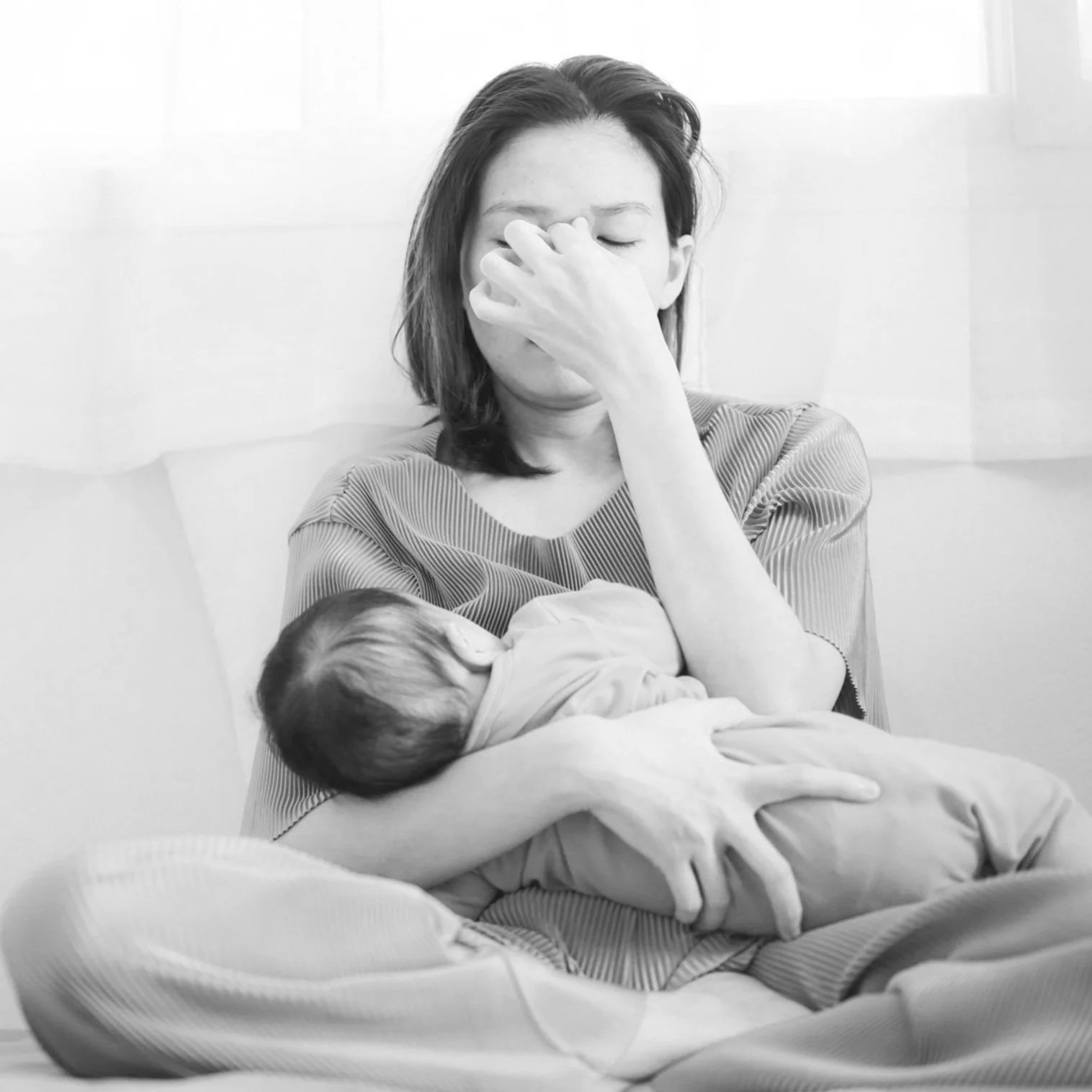
The hormonal drop during postpartum is significant — it’s often compared to going from the equivalent of taking 100 birth control pills a day to none by the third day after giving birth.
This shift represents one of the most dramatic hormonal changes in the human life cycle, happening in the shortest amount of time.
And on top of that, you’re caring for a brand‑new baby while trying to adjust to everything your body and mind are experiencing.
Give yourself grace, mama. You’re doing an amazing job.

ANXIETY AND DEPRESSION DURING PREGNANCY AND POSTPARTUM ARE REAL -AND SO IS FULL RECOVERY
What is PMAD?
Perinatal Mood and Anxiety Disorder (PMAD) is a broad term used to describe a range of emotional and mood‑related challenges that can occur during pregnancy or after childbirth.
There are many potential contributors to postpartum mood and anxiety disorders — hormonal changes, stress, lack of sleep, isolation, and the overall adjustment to caring for a newborn. The truth is that there isn’t one single cause, and researchers are still learning more.
Currently, much attention is focused on how rapidly shifting hormone levels — including estrogen, progesterone, and thyroid hormones — may influence mood during pregnancy and postpartum. These changes can have a significant impact on how a new mother feels.
What we do know is that these mood disorders are not caused by anything an expecting or new mom has done. They are not a reflection of effort, ability, or strength. They are medical conditions that deserve understanding, support, and appropriate care.

Emotional Wellness in the Postpartum Period
The postpartum period brings big emotions, big changes, and a big hormonal shift — even when everything is going well. Emotional wellness simply means caring for your mind the same way you care for your recovering body.
Small, intentional moments can make a meaningful difference. Some rest, fresh air, or quiet reflection can make a big difference. Gentle practices like journaling or mindful breathing can help you process emotions and feel more grounded.
You don’t need a perfect routine — just small, consistent moments that help you feel supported and connected. Emotional wellness is not a luxury; it’s an essential part of healing and adjusting to life with your baby.
When to Reach Out
If your emotions feel heavy, persistent, or out of proportion to what you expected, it may be more than typical adjustment. PMADs are common and treatable, and reaching out for support is a sign of strength.