
Creating a Safe and Calming Nursery
Designing your baby's nursery is one of the most exciting parts of preparing for a new arrival. From choosing a crib and organizing baby clothes to selecting décor and nursery furniture, every detail helps create a space that feels welcoming and comfortable.
While style and décor are important, the most important part of any nursery is safety.
A nursery should be more than a beautiful room. It should provide a safe, calm, and nurturing environment where your baby can sleep, grow, and thrive. It is where babies adjust to life outside the womb and where parents spend countless hours feeding, soothing, changing, and bonding with their newborn.
When deciding on the sensory environment for your baby's nursery, consider whether you want the room to feel stimulating and engaging or calming and sleep-focused.
For a soothing nursery, a muted color palette is often recommended. Neutrals such as whites, creams, soft grays, and gentle pastel shades can help create a peaceful atmosphere that promotes relaxation and sleep.
Most importantly, enjoy the process. Your baby's needs will change as they grow, and your nursery will evolve along with them. Focus first on creating a safe and nurturing environment where both you and your baby can thrive.
Safe Sleep for Babies Act
On May 16, 2022, President Biden signed the Safe Sleep for Babies Act into law, prohibiting the manufacture and sale of crib bumper pads and inclined sleep products in the United States.
The law was passed because both product categories have been linked to infant injuries and deaths.
Crib bumpers were associated with 113 infant fatalities between January 1990 and March 2019, according to the U.S. Consumer Product Safety Commission (CPSC).
Inclined sleepers have been connected to at least 94 infant deaths.
Products often marketed as:
• Baby nests
• Baby docks
• Baby loungers
• Sleep pods
• Nappers
• Inclined sleepers
should not be used as sleep spaces.
Many of these products position babies at an incline, often around 30 degrees. This position can increase the risk of airway obstruction and place babies in unsafe sleep positions.
The safest sleep environment is always:
• A firm, flat sleep surface
• A fitted sheet
• An otherwise empty sleep space
Nursery Safety Checklist
Sleep Space Safety
• No crib bumpers
• No pillows
• No blankets
• No stuffed animals
• No sleep positioners
• No weighted sleep products
• No loose bedding
• Always place your baby on their back to sleep
General Nursery Safety
• Avoid hanging wall art over the crib
• Anchor all heavy furniture to the wall
• Use cordless window coverings whenever possible
• Keep electrical cords out of reach
• Store toys safely
• Keep changing areas uncluttered
• Check regularly for choking hazards
• Maintain proper ventilation and airflow
Crib Safety
Ensuring crib safety is one of the most important steps in creating a safe sleep environment.
Crib Requirements
• Crib slats should be no more than 2⅜ inches apart to prevent a baby's head from becoming trapped.
• Use a firm, breathable mattress that fits snugly inside the crib.
• The mattress is too small if you can fit more than two fingers between the mattress and crib frame.
• Allow a new mattress to air out for 3-7 days before use to reduce odors and improve ventilation.
• The crib should contain only a fitted sheet and your baby.
• Never place pillows, blankets, bumpers, stuffed animals, or toys in the crib.
Crib Manufacturing Date Matters
All cribs used today should be manufactured after June 2011, when updated federal crib safety standards took effect and drop-side cribs were banned.
Although antique cribs may be beautiful and sentimental, they often do not meet current safety standards and should not be used.
Recommended Crib Design
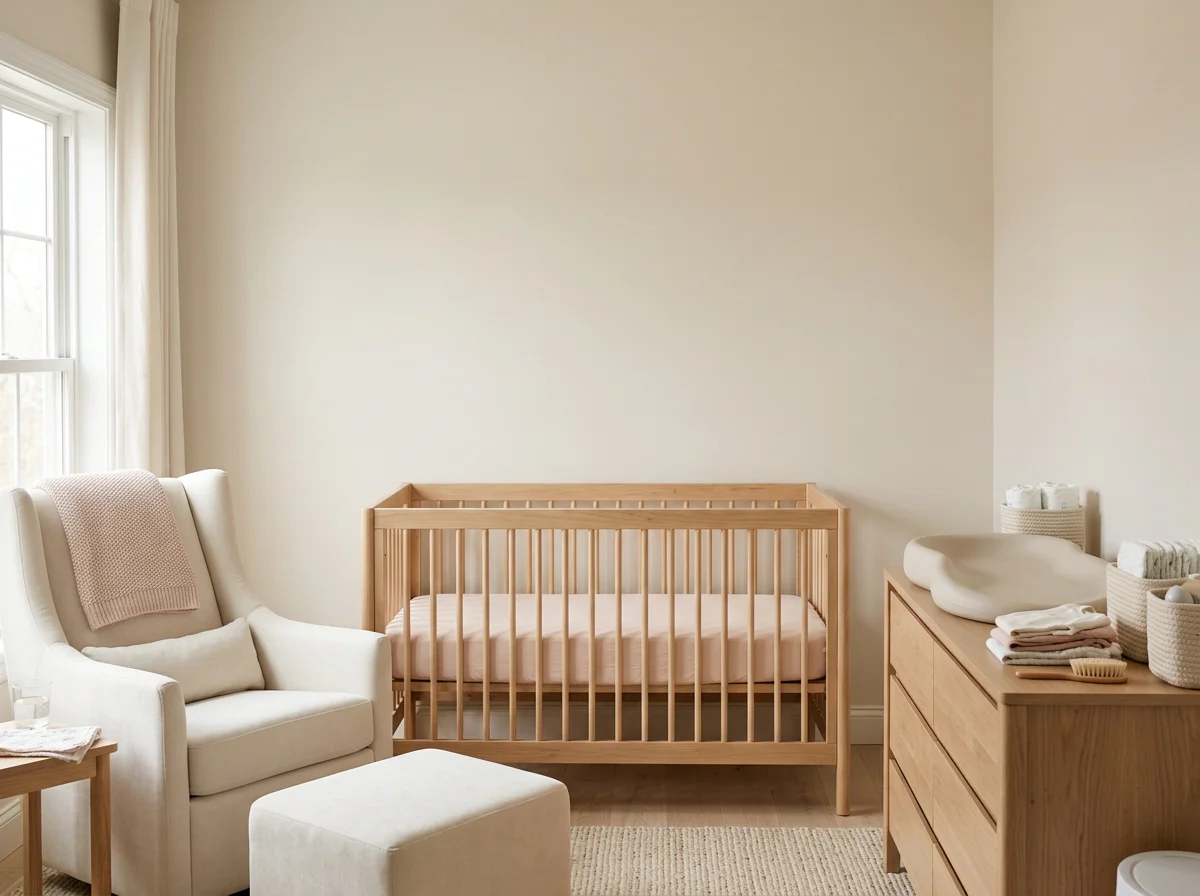
I strongly recommend choosing a crib with four open slatted sides.
Avoid cribs with:
• Upholstered sides
• Padded panels
• Fabric-covered sections
• Solid backboards
These designs may reduce airflow and can create a suffocation hazard if a baby rolls against a padded or solid surface and is unable to move away.
Four open slatted sides provide the safest airflow and visibility.
Pack 'n Play Safety
The current Pack 'n Play safety standard took effect on February 28, 2013.
If using a Pack 'n Play, verify it was manufactured on or after that date and always follow the manufacturer's instructions.
Crib Placement
Where you place your baby's crib is just as important as the crib itself.
Avoid Placing the Crib Near:
• Windows
• Window cords
• Shades and blinds
• Shelving
• Heavy wall décor
• Electrical outlets
• Electrical cords
• Air vents blowing directly on baby
Additional Placement Tips
• Avoid drafty areas.
• Maintain a comfortable room temperature.
• Keep the crib in a well-ventilated area.
• If possible, avoid exterior walls that may become excessively hot or cold.
• Ensure there is clear space around the crib.
Practical & Safe Nursery Setup
Creating a functional nursery can make day-to-day care significantly easier.
Changing Table Setup
Place the changing table near the crib for convenience, especially during nighttime diaper changes.
Keep diapers, wipes, creams, extra clothing, and other changing supplies within arm's reach.
Store supplies where they are easily accessible to you but out of your baby's reach as they become more mobile.
Use a contoured changing pad with raised sides to help reduce rolling off the pad.
Mobile Safety
If you choose to use a mobile, ensure it is securely attached and completely out of your baby's reach.
Mobiles should not be placed over the crib. The crib should be a calm, sleep-focused environment with as few distractions as possible.
Instead, consider hanging a mobile over the changing table. This is where you interact, talk, sing, and engage with your baby. Think of the changing area as your baby's "stimulation station" and the crib as their safe sleep space.
Avoid hanging any artwork, shelves, or heavy décor above either the crib or changing area.
Nursery Chair
Invest in a comfortable nursery chair for feeding, bonding, reading, soothing, and bedtime routines.
You will likely spend many hours in this chair during your baby's first year, making comfort and support important. Even beyond infancy, it often becomes the place where you read books, cuddle, talk, and create special bedtime memories with your toddler.
For convenience, consider placing a small side table nearby with:
• Burp cloths
• A dim light for nighttime feedings
• Feeding or pumping supplies
Lighting
Soft lighting helps create a calm and soothing environment. (No LED)
Consider using:
• Dimmable table lamps
• Floor lamps
• Soft night lighting
Avoid bright overhead lighting during nighttime feeds and diaper changes whenever possible.
Paint, Air Quality & Home Safety
Paint & Nursery Preparation
• Use low-VOC paint whenever possible.
• Complete painting and wallpapering at least 1-2 weeks before your baby's arrival.
• Open windows and allow the room to air out thoroughly.
Air Quality
Babies have extremely small nasal passages and are more sensitive to airborne irritants.
Before baby arrives:
• Replace HVAC filters
• Clean fans and vents
• Replace room air purifier filters
• Consider annual HVAC maintenance
Home Safety
• Secure area rugs to prevent slipping.
• Anchor all dressers and bookshelves.
• Use toy bins without heavy lids.
• Install smoke detectors and carbon monoxide detectors.
• Test detectors regularly.
Product Registration
Always register baby products with the manufacturer.
Registration allows you to receive important safety notices and recall alerts.
Secondhand Baby Gear
Before using secondhand cribs, bassinets, swings, furniture, or baby gear:
• Check for recalls
• Verify all parts are present
• Review manufacturer instructions
• Confirm the product meets current safety standards
SUID (Sudden Unexpected Infant Death)
SUID refers to the sudden and unexpected death of an infant younger than one year of age.
Major Risk Factors
• Sleeping on the stomach
• Blankets and loose bedding
• Pillows
• Soft sleep surfaces
• Overheating
• Poor airflow
Ways to Reduce Risk
• Always place your baby on their back to sleep.
• Use a firm, flat sleep surface.
• Keep the sleep space empty.
• Avoid overheating.
• Maintain comfortable airflow within the room.
Research has shown that fan use during sleep was associated with a 72% reduction in SUID risk.
A floor fan or table fan may help improve air circulation. Fans should always be placed safely out of reach and should not blow directly on the baby.
Weighted Sleep Sacks & Weighted Sleep Products
Weighted sleep sacks, weighted swaddles, weighted blankets, and other weighted sleep products are not recommended for infants.
Updated Safe Sleep Guidance
The American Academy of Pediatrics (AAP) advises against the use of weighted infant sleep products.
Why Are Weighted Sleep Products Risky?
• They may make breathing more difficult.
• They may restrict movement.
• They may interfere with a baby's ability to reposition themselves.
• They may increase the risk of overheating.
Because infants have smaller airways and weaker chest muscles, added weight can create unnecessary risks during sleep.
Remember
Safe sleep is more than an empty crib.
A safe sleep environment includes:
• A crib, bassinet, or Pack 'n Play that meets current safety standards
• Four open slatted crib sides that allow proper airflow
• A firm, flat mattress that fits snugly with no gaps
• A fitted sheet designed specifically for the mattress
• A sleep space free of pillows, blankets, bumpers, toys, and other loose items
• A well-ventilated room with comfortable airflow
• A comfortable room temperature to prevent overheating
• Baby placed on their back for every sleep
• A crib positioned away from hazards such as cords, windows, shelves, and wall décor
Creating a safe sleep environment is not about purchasing more products. In fact, it is often the opposite. The safest nursery is one that follows current safe sleep recommendations, prioritizes airflow, visibility, and safety, and keeps the sleep space simple, uncluttered, and free of unnecessary items.