ABC’s of Safe Sleep
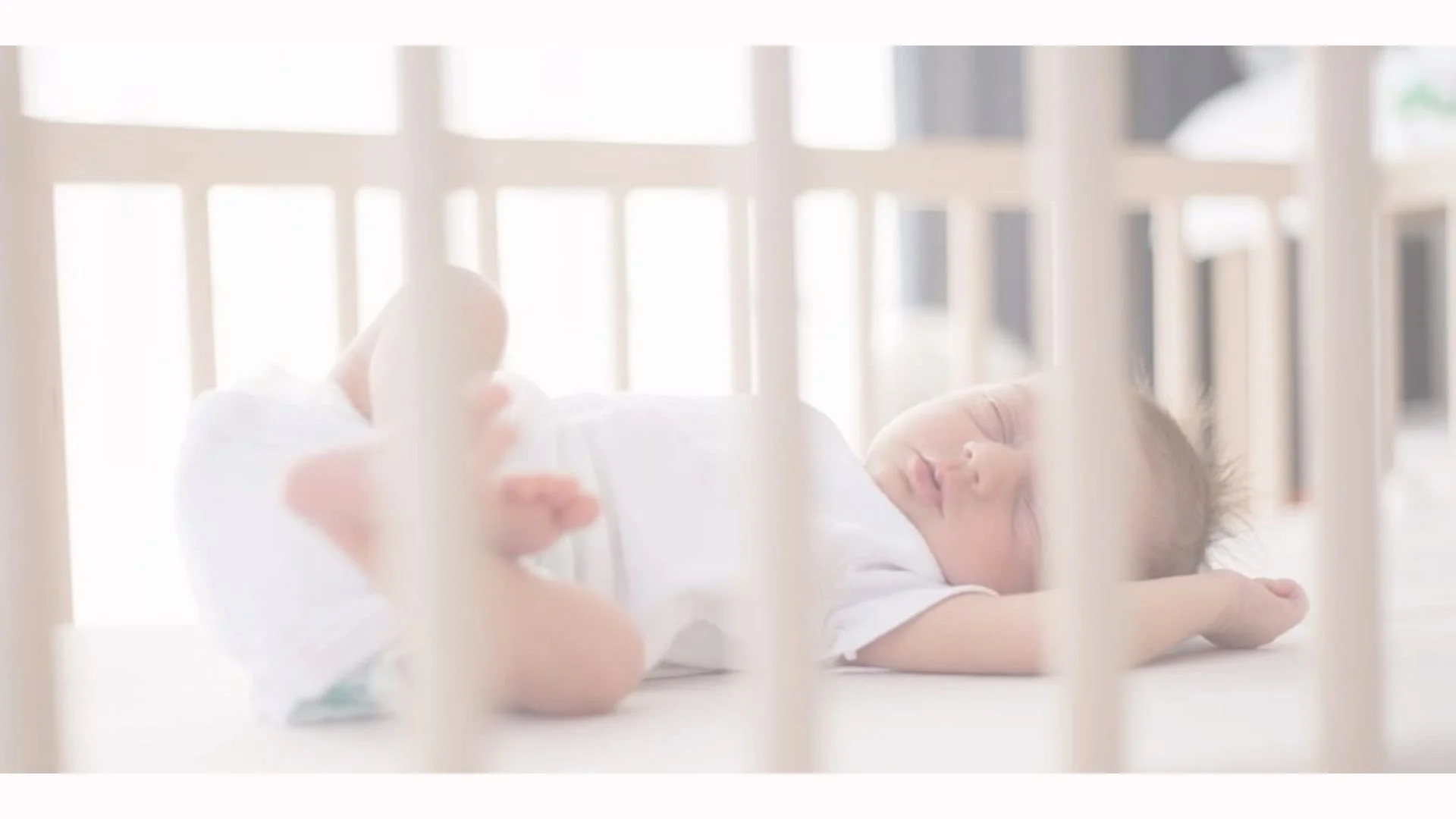
Place the baby ALONE in the crib to sleep
A
Place the baby on their BACK to sleep
B
Use a firm, breathable mattress and a properly fitted sheet in the CRIB
C
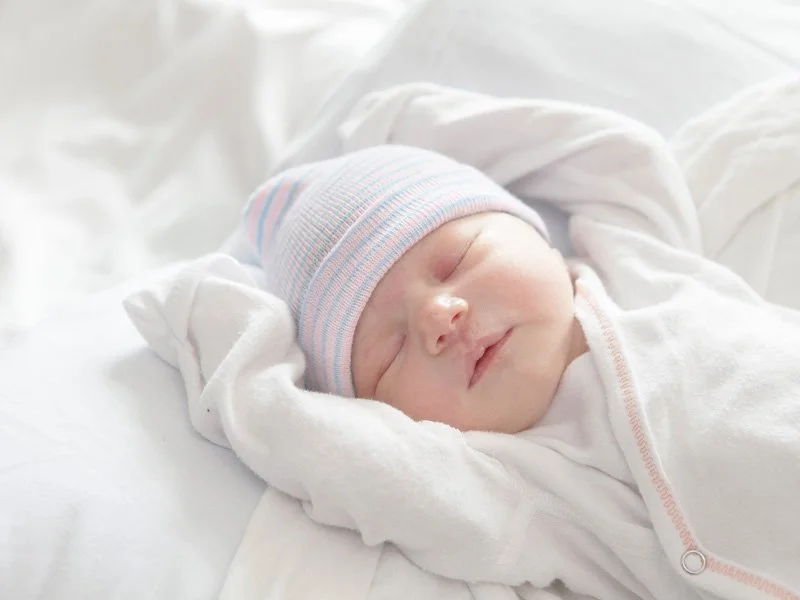
Guidelines and recommendations for safe infant sleep
Safe Sleep for Babies Act
On May 16, 2022, President Biden signed the Safe Sleep for Babies Act into law, prohibiting the manufacture and sale of crib bumper pads and inclined sleep products in the U.S. The news comes after the act was passed unanimously in the Senate a few weeks earlier.
The reasoning behind the new law is simple: These products are unsafe to use with your little one.
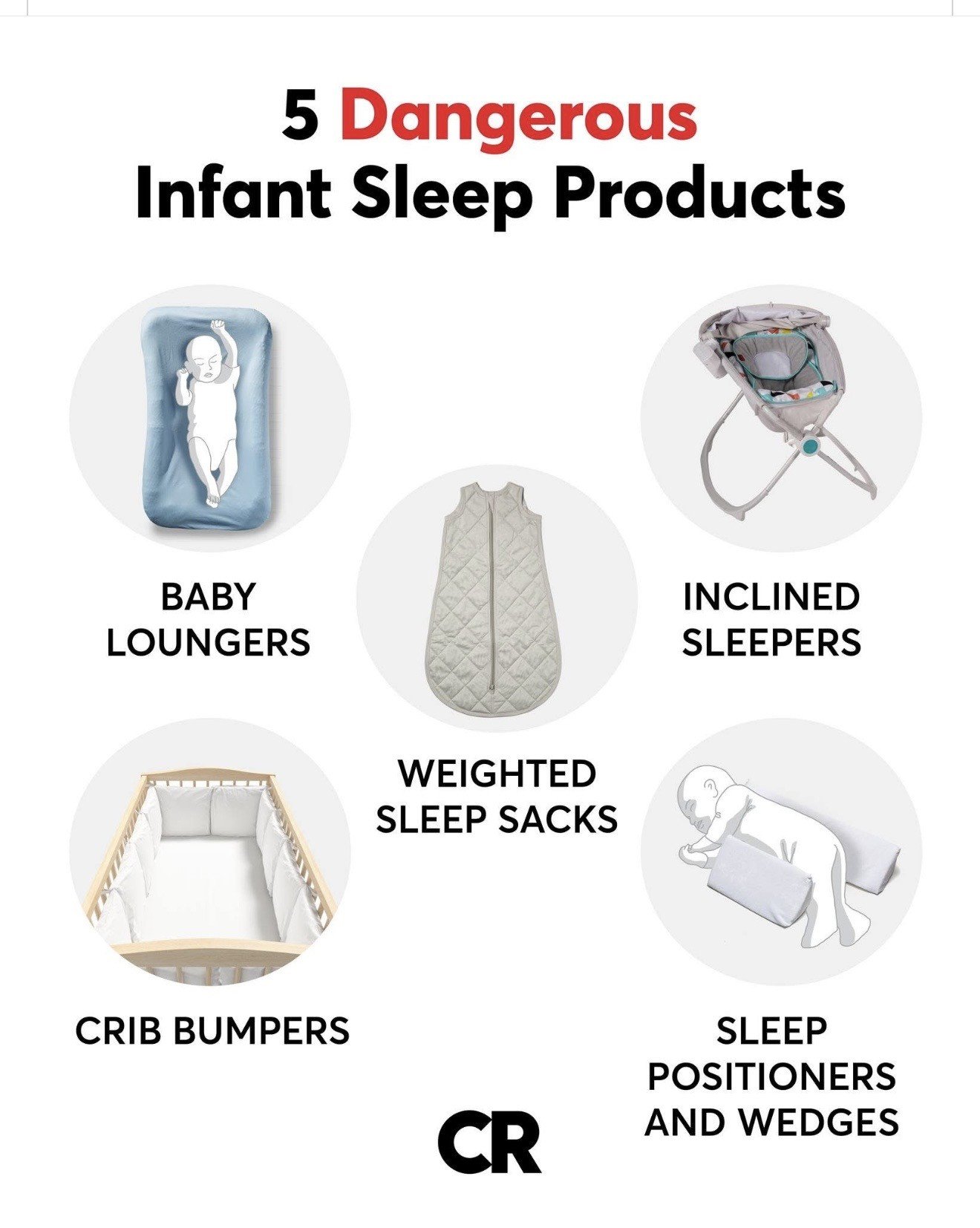
Crib bumpers have been associated with 113 fatalities from January 1990 to March 2019, according to the U.S. Consumer Product Safety Commission (CPSC). Inclined sleepers have tragically been tied to at least 94 deaths, according to the AAP.
According to the CPSC, inclined sleep products (often called baby docks, pods, loungers, nappers) allow babies to sleep at a 30-degree angle - but it's dangerous for infants to use products that incline more than 10 degrees. Babies may fall asleep in positions restricting their airways or roll out of the devices and become trapped underneath.
Crib Safety
Cribs used today should be manufactured after June 2011 (when the current safety standards banning the manufacture or sale of drop-side rail cribs became effective)
Though an antique crib may be beautiful and sentimental, it should not be used if it doesn't meet modern safety standards.
The newest Pack ‘n Play safety standard has been in effect since February 28, 2013, and applies to all units manufactured or imported on or after that date.
Ensuring crib safety is crucial for your baby's well-being. Here are some important guidelines to follow:
Crib slats should be spaced no more than 2 and 3/8 inches apart to prevent your child's head from getting trapped between them.
Use a firm, breathable mattress that fits snugly in the crib, with no gaps between the mattress and the sides.
It is too loose if you can fit two fingers between the mattress and the crib. The mattress should be firm enough that it doesn’t conform to the shape of your baby’s head.
Soft and memory foam mattresses can create a pocket (or indentation) and increase the risk of rebreathing or suffocation if the infant is placed in or rolls into the prone position.
Recommended to air out the mattress for 2-4 weeks before using it to allow any odors to dissipate and ensure optimal air circulation.
Do not place pillows, blankets, bumpers, or toys in the crib, as they can pose a suffocation hazard. The crib should contain only a tightly fitted sheet and your baby.
To avoid injuries, do not hang anything over or near your baby's crib, including decorations, baby mobiles, or any other objects with soft or hard edges.
It is strongly recommended to choose a crib with four open, slatted sides and to avoid any crib with a padded, upholstered, or solid backboard. Soft or non‑slatted back panels can create a suffocation risk, as babies may roll into the surface and be unable to breathe. Cribs with uniform slats on all four sides provide the safest airflow and sleep environment.
Weighted Sleep Sacks
Medical organizations, including the American Academy of Pediatrics (AAP), and government agencies such as the Consumer Product Safety Commission (CPSC), the National Institutes of Health (NIH), and the Centers for Disease Control and Prevention (CDC), have advised parents and caregivers against using any weighted infant sleep products.
Key concerns include:
Potential for reduced oxygen saturation levels in infants.
Increased difficulty for babies to move out of unsafe sleeping positions.
Potential to inhibit a baby's natural arousal response, which can increase the risk of Sudden Infant Death Syndrome (SIDS).
Current safe sleep guidelines recommend that infants sleep on their back on a separate, flat, and firm surface without any loose bedding, blankets, or weighted sleepwear.
Inclined Baby Sleepers & Positioners
These products are often called baby nests, docks, pods, loungers, rockers, or nappers, and they’ve been popular on baby registries for years. However, they pose significant safety risks.
According to the Consumer Product Safety Commission (CPSC), any sleep product inclined more than 10 degrees is unsafe. Soft, plush sleep surfaces also increase the risk of suffocation.
Inclined sleepers position babies at about a 30‑degree angle. This can cause a baby’s head to fall forward into a “chin‑to‑chest” position — meaning their head tilts down and their airway becomes partially closed. When a baby’s chin rests on their chest, it becomes harder for them to breathe.
Because of these dangers, the Safe Sleep for Babies Act has banned all inclined sleepers. Parents are strongly advised to stop using these products immediately.
Sleep positioners also pose serious risks. If a baby rolls onto their stomach, they may not be able to lift their head, and the soft padding can make breathing difficult if their face presses against it.
The CPSC has also issued warnings about infant loungers after reports of infant deaths. These loungers are usually round and pillow‑like, designed for placing an infant in the center. Although they are not sold as sleep products, babies often fall asleep in them, creating a risk of suffocation if their nose or mouth becomes blocked or if they roll off the product.
Crib Bumpers
Crib bumpers, once a common nursery item intended to cushion babies from crib slats, are also dangerous. They pose risks of suffocation, entrapment, and strangulation. Older babies may even use bumpers to climb out of the crib, increasing the risk of falls. Over the past 30 years, crib bumpers have been linked to more than 100 infant deaths and are now banned under federal law.
Even mesh bumpers and vertical crib liners, marketed as safer alternatives, can become loose and pose a strangulation risk, with babies potentially getting trapped between them and the crib mattress.
SUIDS – SUDDEN UNEXPECTED INFANT DEATH SYNDROME is the newest term used to describe what was once SIDS.
Major Risk Factors for SUID include:
Prone sleeping position (including soft or plush crib mattresses, or sleeping in a stroller bassinet)
Crib bumpers, blankets, pillows, and toys
Weighted blankets
Overheating — when babies become too warm, they may have difficulty waking
Poor or limited airflow
Proper air circulation
Proper air circulation in a baby's nursery is essential for several reasons, including reducing the risk of SIDS, maintaining a comfortable temperature, and preventing mold growth.
SIDS risk: Poor ventilation can trap exhaled carbon dioxide around a sleeping infant's face, increasing the risk of SIDS. Using a fan can improve circulation and reduce the risk by almost half.
Temperature regulation: Good ventilation helps maintain a consistent and comfortable room temperature and prevents overheating.
Moisture control: Proper circulation prevents excess humidity, which can lead to mold growth.
Respiratory issues: Fresh air reduces the risk of respiratory problems by providing a clean and oxygen-rich environment.